Mike Mautner
Name:
Mike Mautner
Year you joined Team GT:
1995
Favourite GT year & model:
1999 DHI
Favourite Rider:
Geoff Schofield and Eric Carter and Steve Peat and Mike King
Favourite year team kit:
1999 GT Nike kit
If you had to ride a descent on a GT Quatrefoil (Tandem) with someone from your time at GT would you have with you & why?
Todd Toth. Very solid rider.
Have you ever pulled a prank on someone or had one pulled on you while working at GT?
Jesus, where to begin. Passing out at races was a bad idea. Duct tape, whipped cream. Paintball guns from car to car on road trips.
Can you tell us about your role at GT Bicycles in the 90’s and how you got started there?
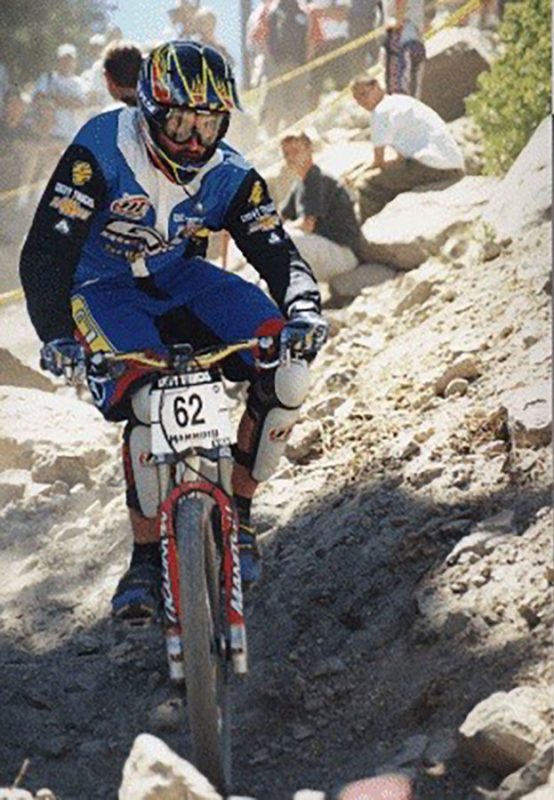
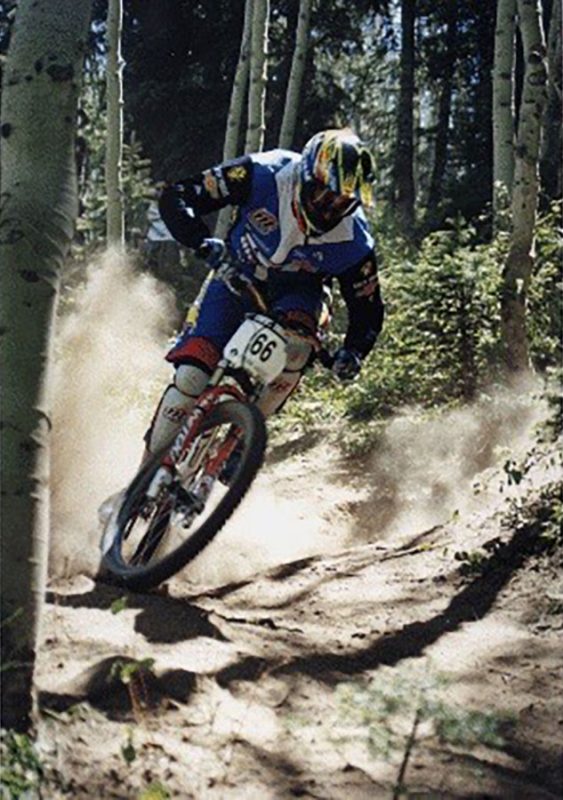
I managed the warranty cage and moved up to customer service. I split my time between racing/training and working in customer service
What was the company culture like during that time period?
Off the rails, totally positive.
What was the biggest challenge you faced while working at GT Bicycles in the 90’s?
The passing of Richard and the cultural shift in the company. Most of that I saw in hindsight, but things definitely changed once RL was gone.
Can you share a particularly memorable experience you had while working at GT Bicycles?
The Interbike parties were so huge. The executives would bbq, pour beer and basically serve all of the dealers and that always impressed me.
How did the bicycle industry change during the 90’s, and how did GT Bicycles adapt to these changes?
It went corporate. And GT went faster. It was corporate policy.
Can you tell us about some of the most popular bicycle models during that time period and what made them unique?
Popular GT models? LTS and I-Drive. They were 100% class leading in their day. The I-drive just worked right around the Horst-link patent and it ended up being an amazing bike.
How did GT Bicycles approach product design and innovation during the 90’s?
They tried everything. The design and engineering teams were putting everything out on the trails and seeing what stuck. Some of the bikes I tested were totally crazy, but sometimes we took little lessons from those and applied them to other projects. It was full gas on innovation.
Can you describe the company’s marketing and advertising strategies during that time period?
Funny, edgy and not lame and totally race/speed focused like you see with Specialized, for example.
Can you describe the dynamics working for Gary and Richard?
Where to begin. Gary was always around and working on some wild project. Building DH bikes for Craig, cobbling weird contraptions together for himself, friends or customers. Gary is a great guy and a constant tinkerer. Richard was a little scary. He wanted everyone pulling for GT and had that competitive spirit in the building, at the races and everywhere I saw him. His passion and protection of that brand was massive. I have a story about Richard that might take some time to share but maybe I’ll work on that later.
How did you see the role of technology changing in the bicycle industry during the 90’s, and how did GT Bicycles respond to these changes?
GT was on the cutting edge. Steel, aluminum, titanium and thermoplastics. It didn’t all work, but we were always trying.
What do you think was the biggest accomplishment of GT Bicycles during the 90’s, and why was it significant?
Making mountain bike racing huge. GT brought the bikes, the riders, the sponsors and the party to every big mountain in the world. They lead the big growth in mountain bike racing in the 90’s, without question.
What made the biggest impact on you while at GT Bicycles which you rely on today.
All of the friends that I still have and the industry that has given me so many opportunities. I can’t wait to see what the future holds for GT Bicycles. Lotta very nice, very passionate people there still and the potential is huge.