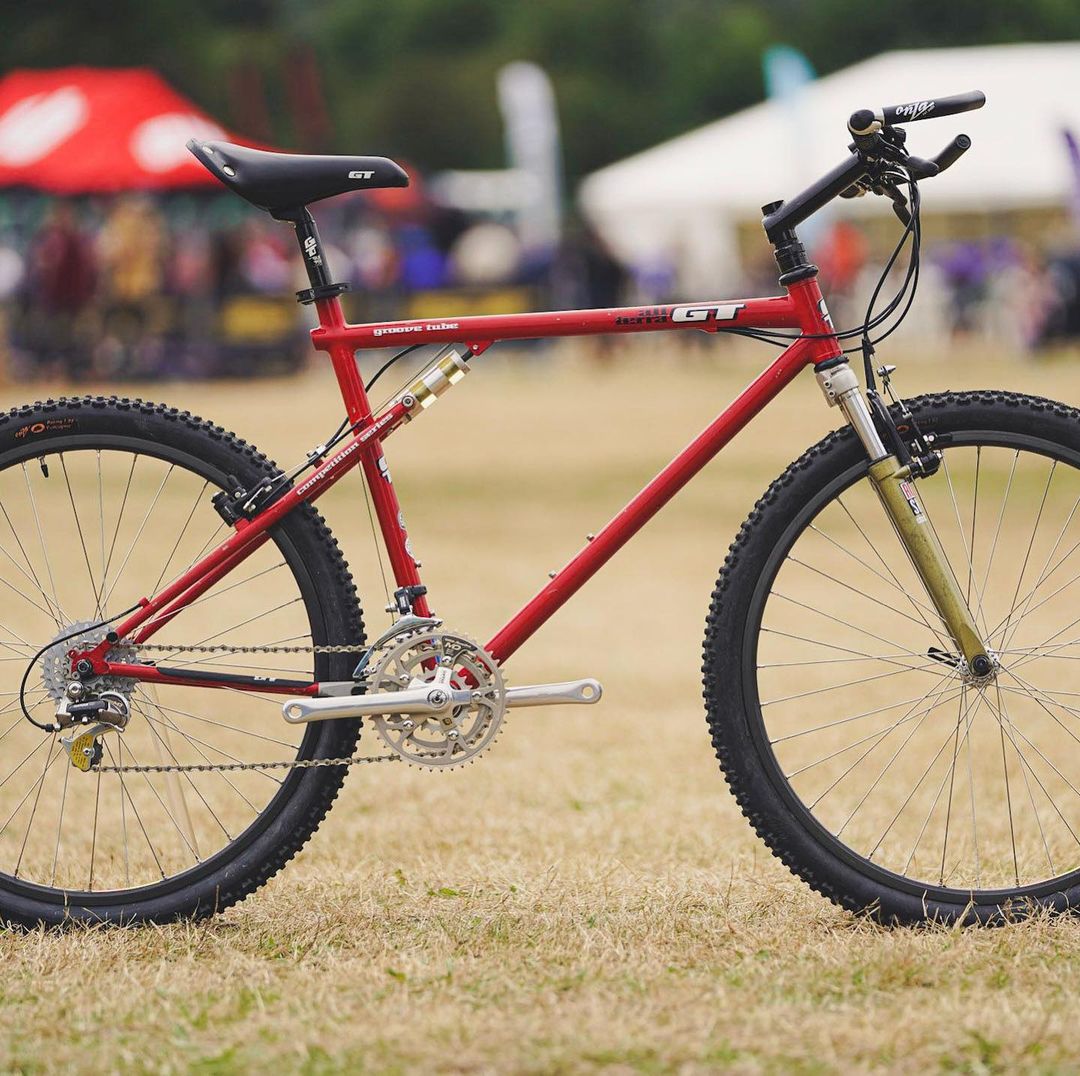
GT Bicycles First Full Suspension MTB platform
Designed by Forrest Yelverton GT’s head of engineering. Only one was produced confirmed by Forrest whom left the company 2011 after 21 years.
This was GT’s first attempt at a MTB FS platform and was the front runner before Jim Busby rolled in with the RTS-1 design which over took Forrest’s design. GT still used this concept as display (1992) pre the release of the RTS-1 in 93. So when the RTS-1 came out it made everyones head spin.
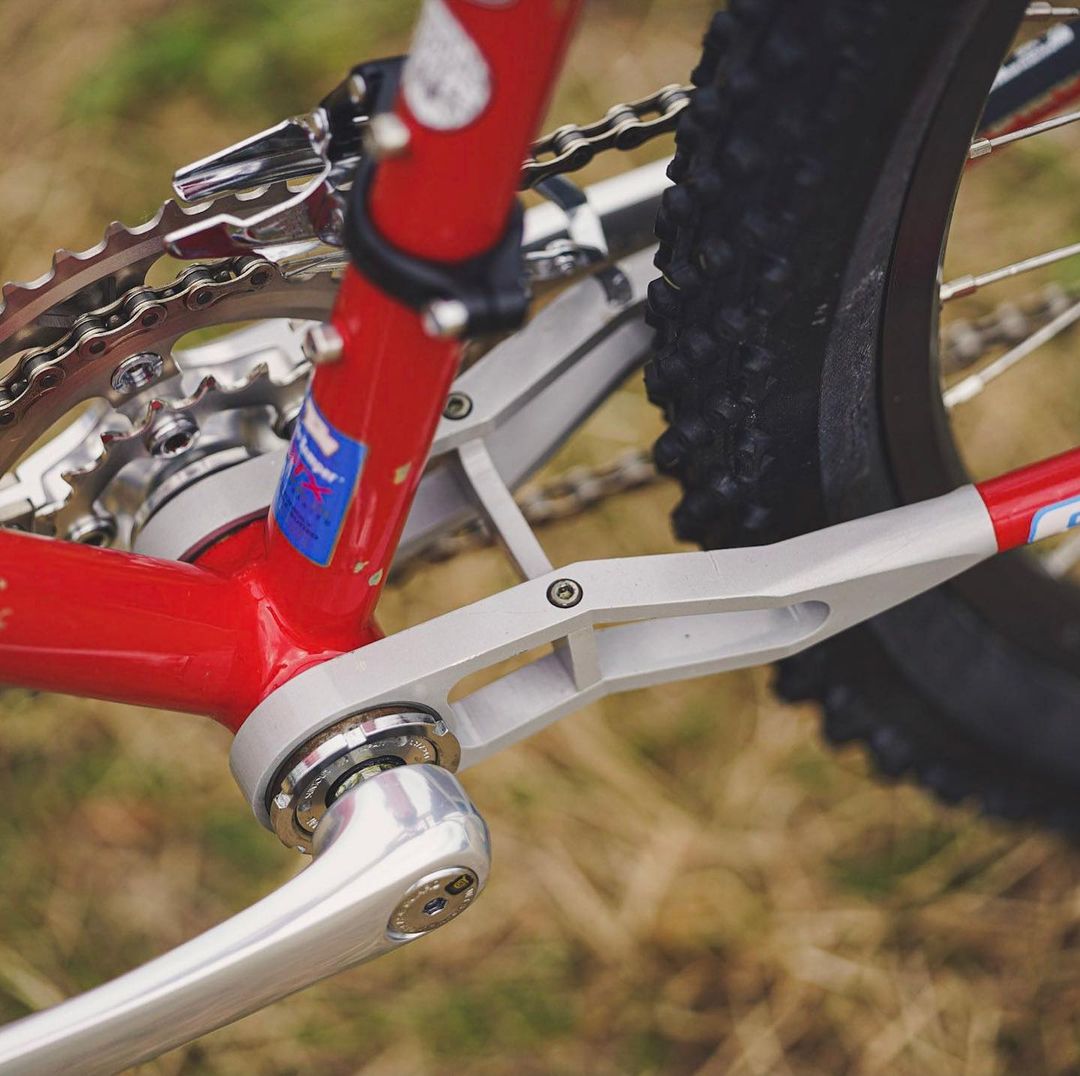
First displayed at the Anaheim Bike Show 1991 and in a small feature in Mountain Bike Action January 1992. It was built in GT’s Colorado Facility and when found it was a frame only with deteriorated rear elastomer and missing brake rocker. (image include with frame sitting with green background / original Black elastomer).
It was meticulously rebuilt it with the original spec taken from images from both the Mountain Bike Action and French MTB Magazine Vitrine (Confirm) and the elastomers and rocker had to be custom made.
- Onza Bar ends
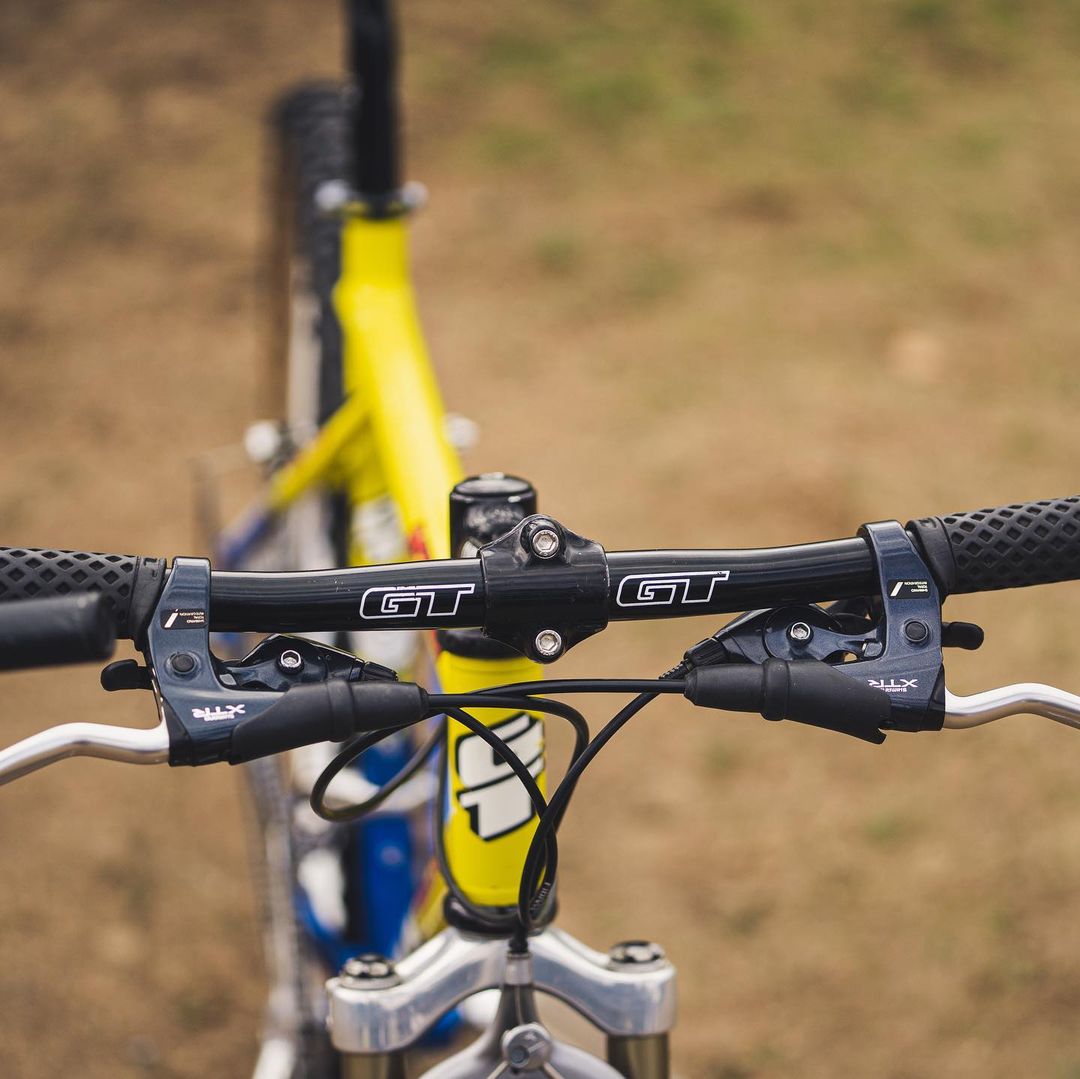
- GT Durilium Bars
- GT AME grips
- GT Flipflop stem
- GT Seat Post
- GT Viscount Saddle
- GT Tech Shop Quick Release
- Tioga headset
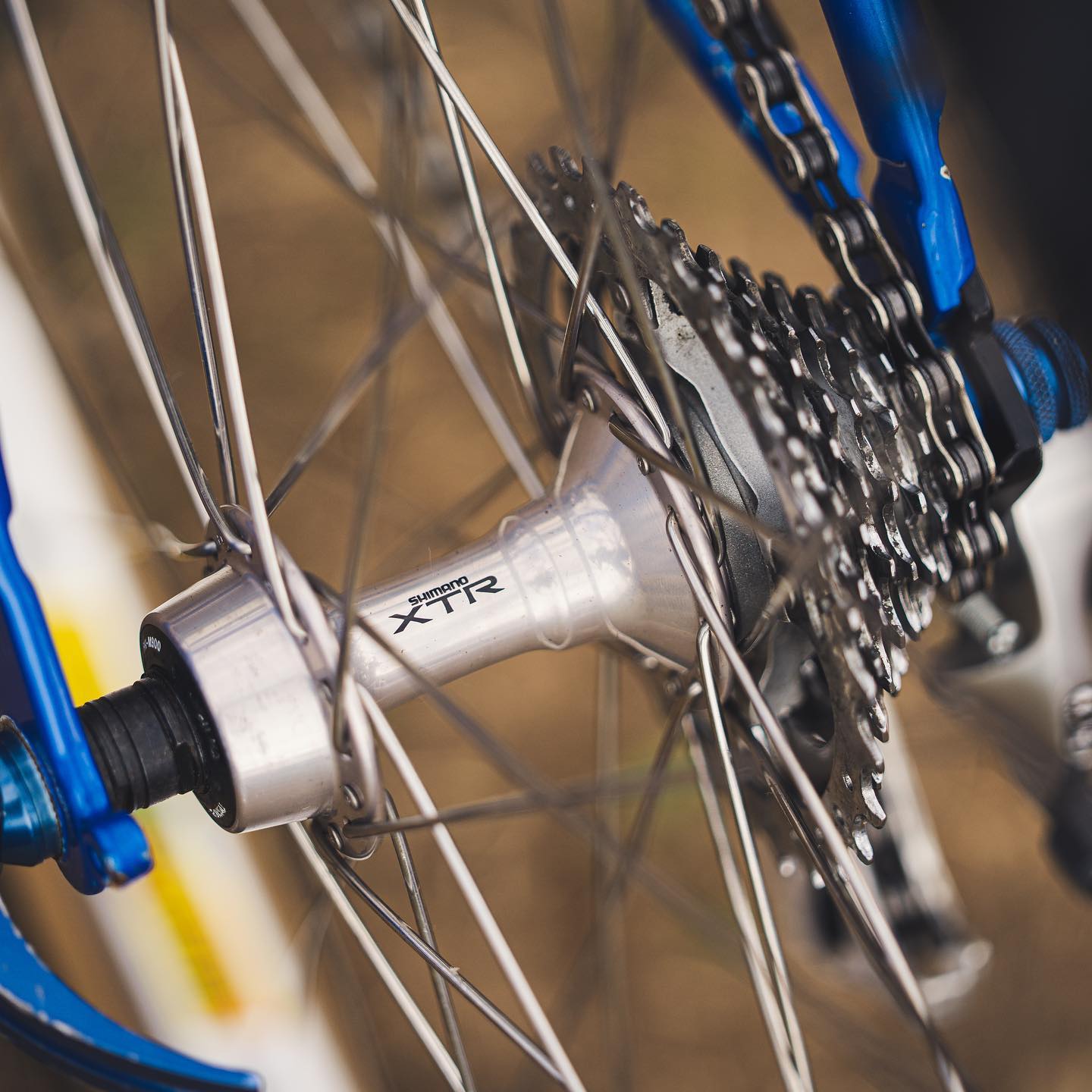
- Full Suntour XC Pro group set
- Onza Porcupine tires
- Mavic 177 rims
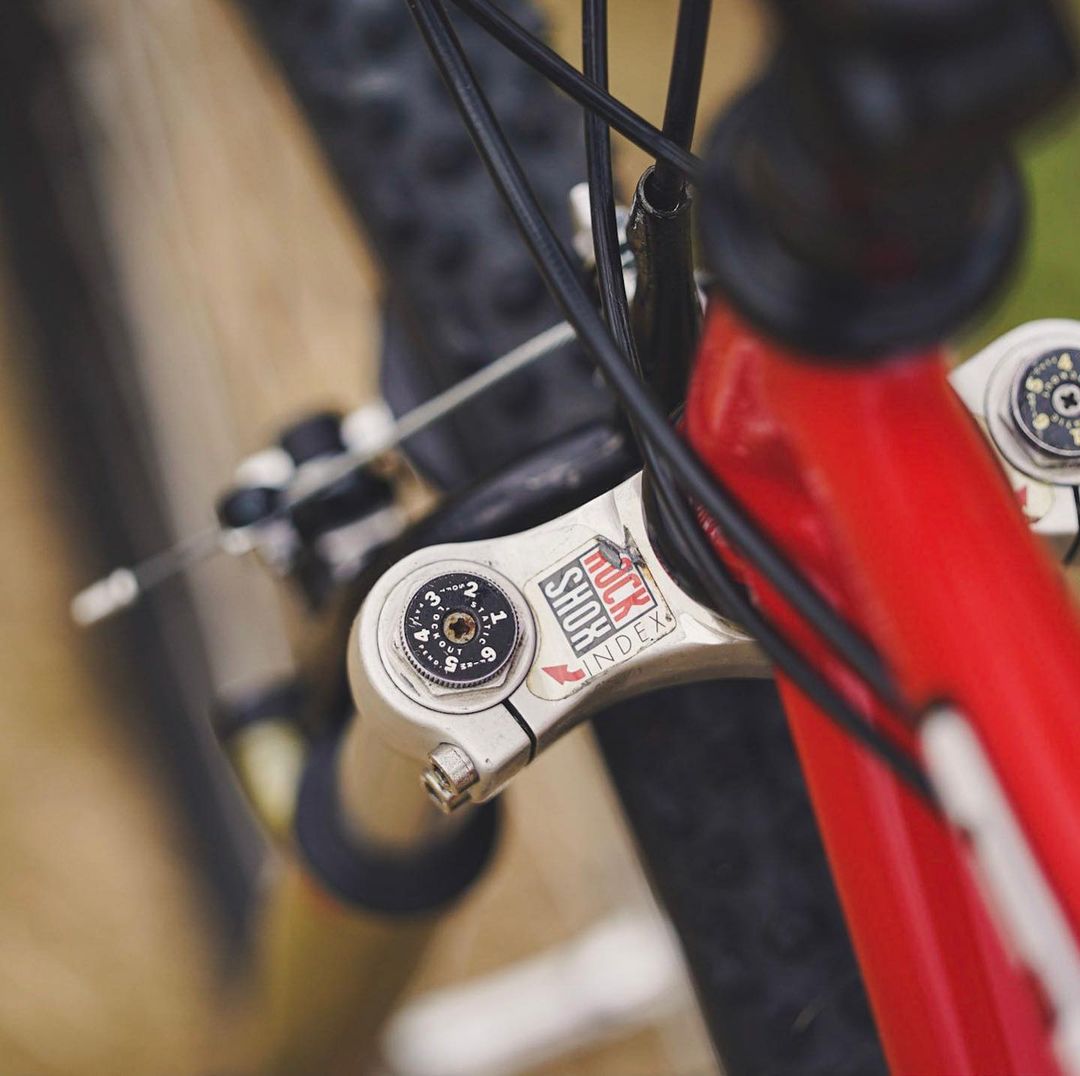
- RockShox Mag’s


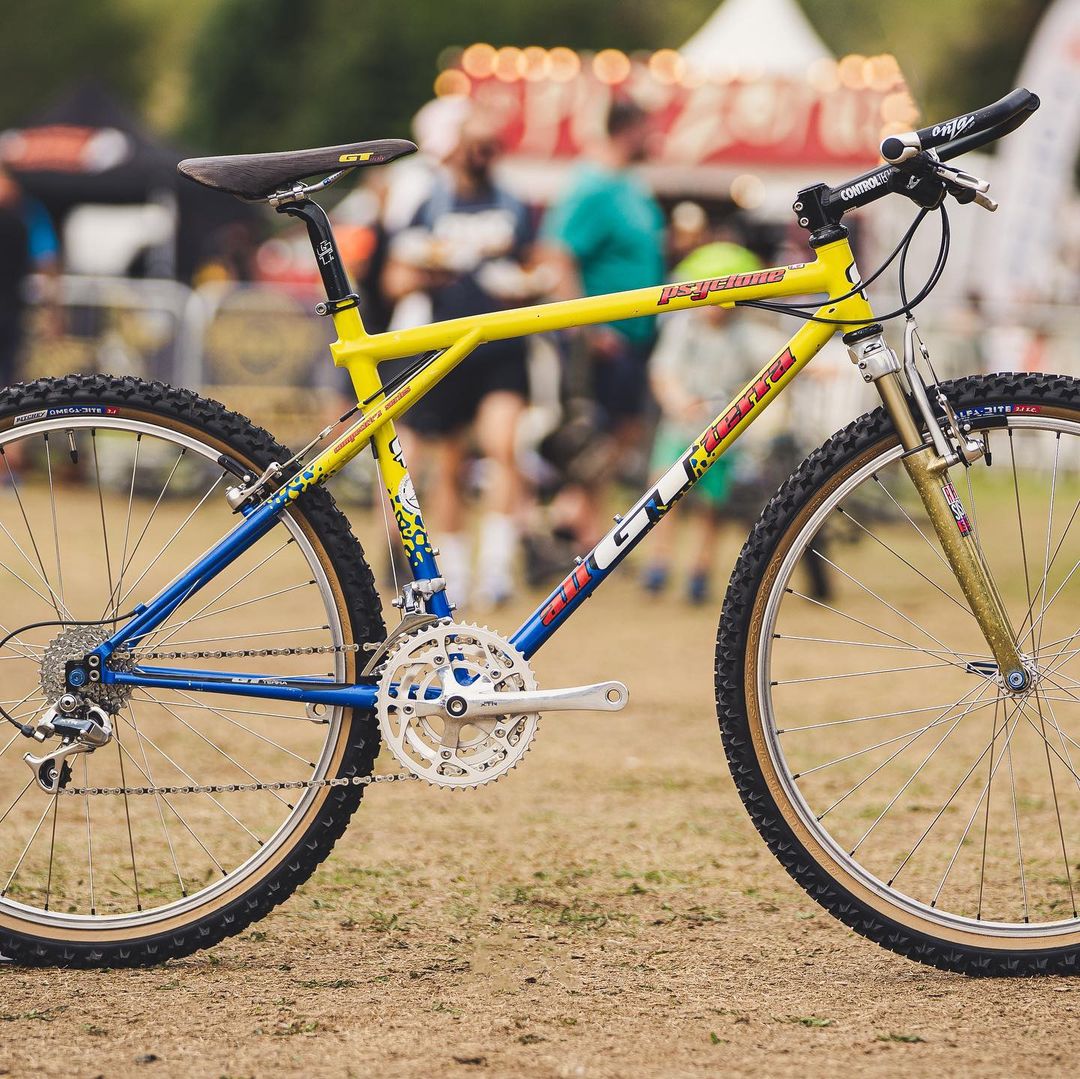

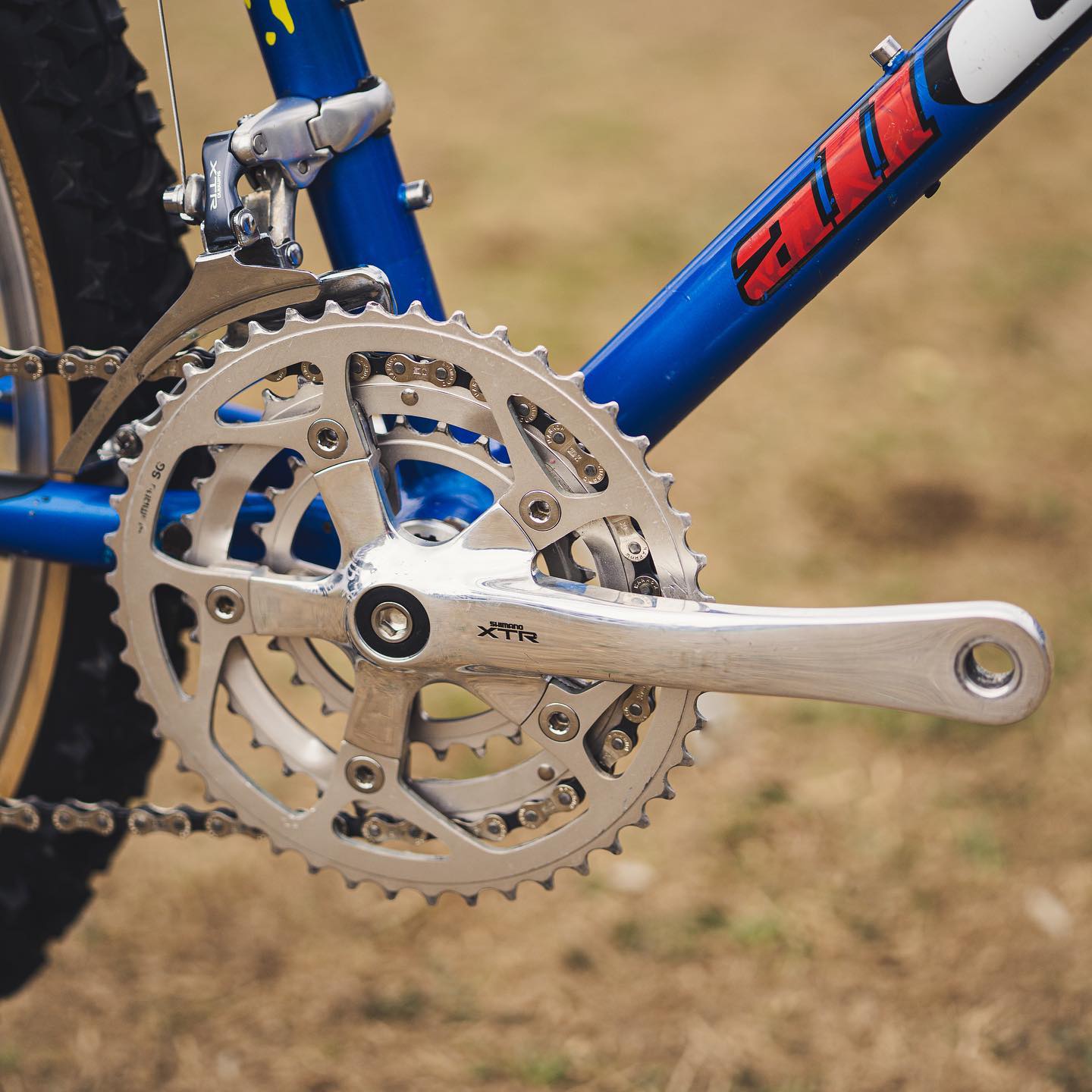
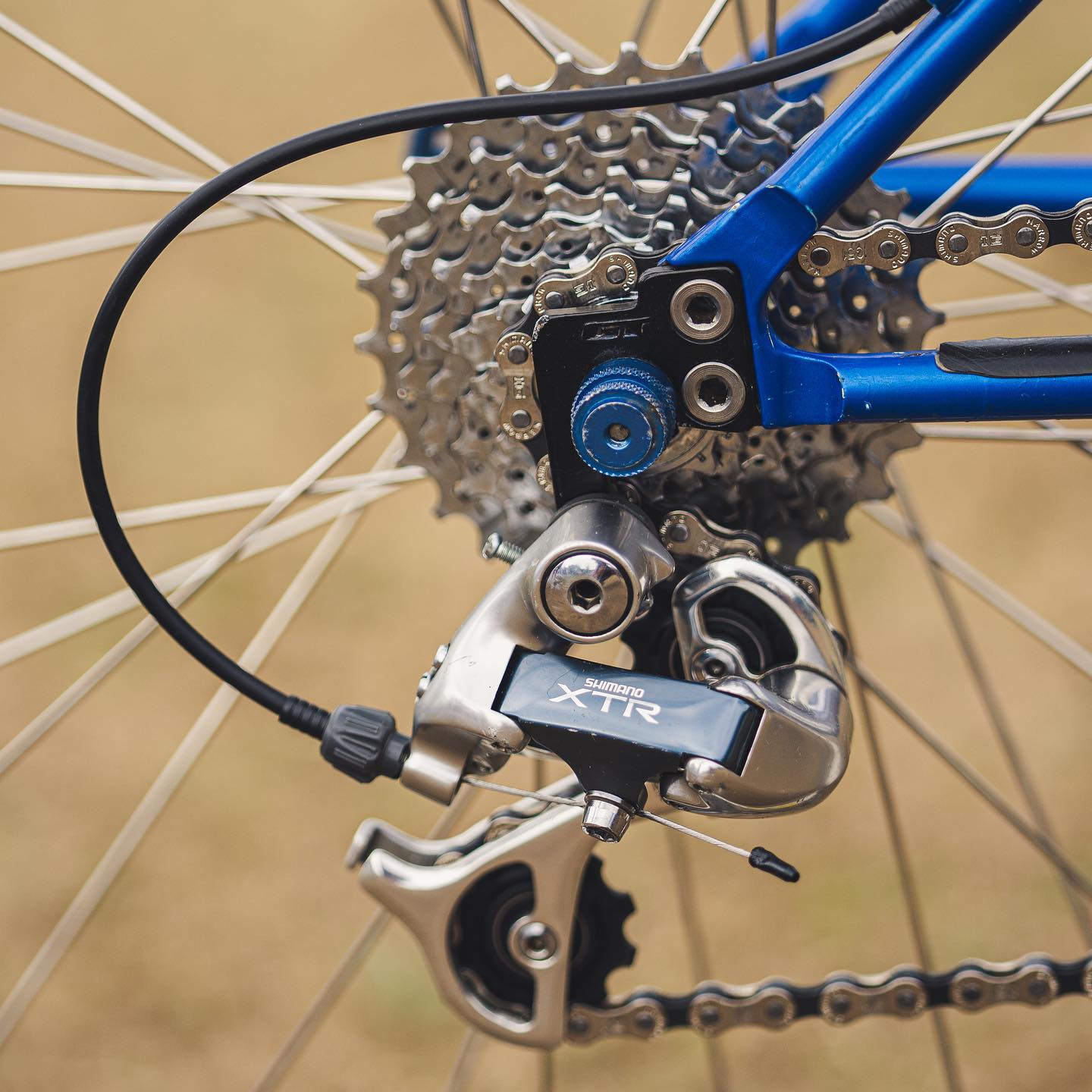

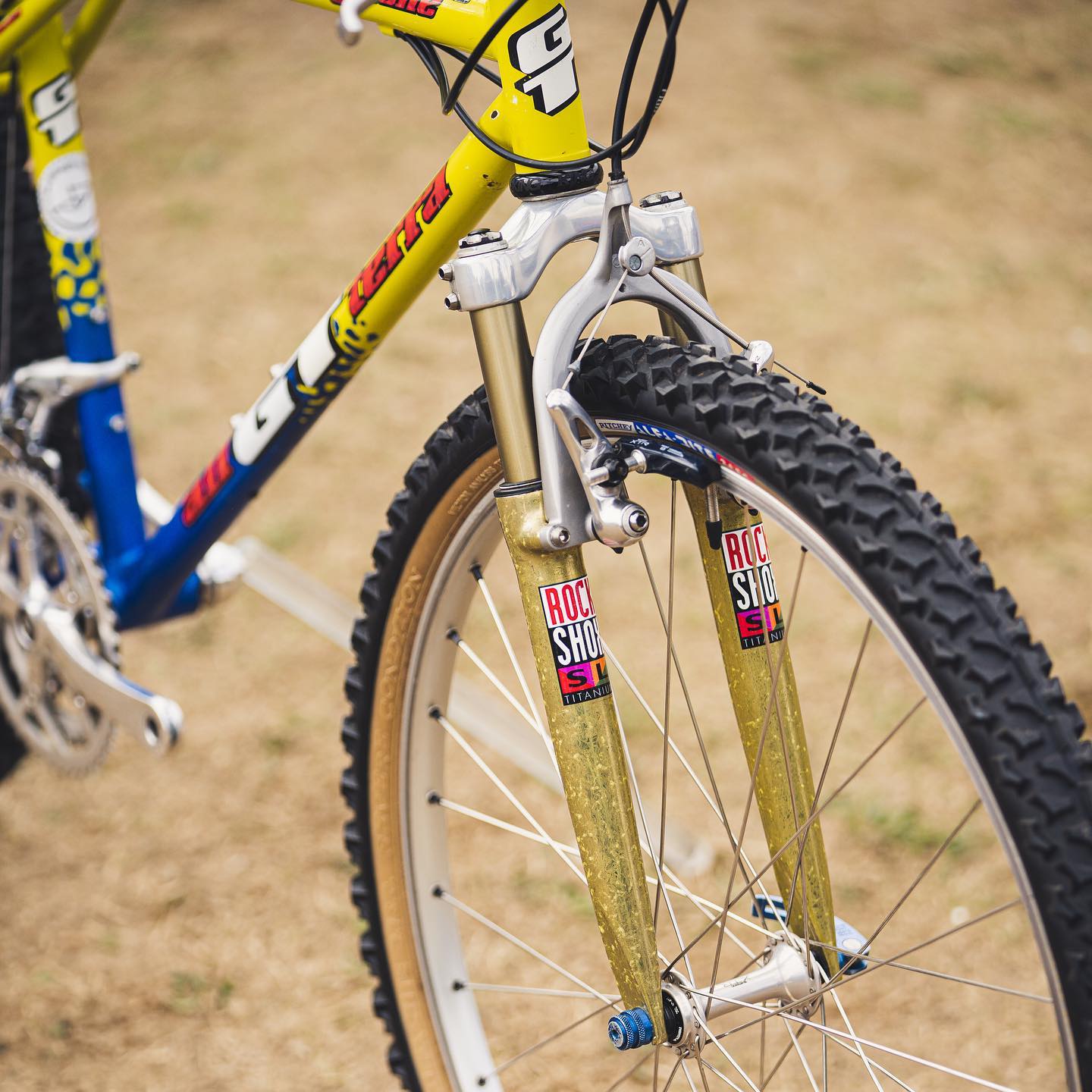
GT Team Scream paint job
- Introduction: Early 1990s (around 1993)
- Design Inspiration: The Team Scream paint scheme was inspired by the need to create a bold, eye-catching design that would stand out in the fast-paced, highly competitive world of professional mountain biking and BMX racing. The design was intended to reflect speed, energy, and aggression—qualities that GT’s racing teams embodied. The paint scheme was often associated with GT’s factory race teams, which further cemented its status as a symbol of high performance.
- Appearance:
- Primary Colours: The Team Scream paint scheme is characterised by its use of bright, contrasting colours—typically blue, yellow, and black. The most recognized version features a blue base with jagged, lightning-like streaks of yellow and black running across the frame. The colors were vibrant and designed to pop, ensuring that GT bikes would be unmistakable on the race track or trail.
- Pattern: The design featured sharp, angular lines that gave the impression of motion and speed, even when the bike was stationary. These lines often intersected and overlapped, creating a dynamic and aggressive visual effect that mirrored the intensity of racing.
- GT Logos and Branding: The GT logo and other branding elements were usually prominently displayed in white or contrasting colors, ensuring they stood out against the vivid background. This not only reinforced the brand identity but also made the bikes highly recognisable.
- Market Impact and Legacy:
- Racing Pedigree: The Team Scream paint scheme became strongly associated with GT’s factory racing teams, including some of the most successful riders of the era, like Mike King, Nico Vouilloz, and Brian Lopes. The scheme was often seen at the forefront of major racing events, from the UCI World Championships to the World Cup circuit. This association with top-level racing added to the scheme’s prestige and desirability.
- Brand Recognition: The Team Scream design played a significant role in GT’s branding during the 1990s. The aggressive, high-energy look of the bikes matched the brand’s image as a leader in performance cycling, and it helped GT stand out in a crowded market. The scheme was so iconic that it became one of the most recognizable aspects of the GT brand.
- Collectibility: Today, bikes featuring the Team Scream paint scheme are highly sought after by collectors and enthusiasts. The combination of the scheme’s aesthetic appeal and its association with GT’s golden era of racing makes these bikes particularly valuable in the vintage and retro cycling communities.